Deadline for proposal: September 15th 2026
Proposal acceptance: October 10th 2026
Early Bird end: October 30th 2026
Lifelong Learning in the Post Globalization and Artificial Intelligence Era: Ensuring Inclusive, High Quality Education for All.
MCCE Morocco 2027 International Conference,
with the support of the African Foundation for Lifelong Learning

First Announcement
With the support of the African Foundation for Lifelong Learning and the Faculty of Education of the University of Ottawa, and in collaboration with Hassan II University, Arizona State University, and the International Council for Adult Education, the Moroccan Centre for Civic Education is organizing an international conference to be held in Casablanca, Morocco, from January 25 to 29, 2027, under the theme: “Lifelong Learning in the Era of Post Globalization and Artificial Intelligence: Ensuring Inclusive, High Quality Education for All.”
In-person Events
This conference aims to foster an in-depth dialogue on how post‑globalization and artificial intelligence are reshaping education, with the goal of advancing inclusive, high-quality learning opportunities for all. The event will bring together internationally recognized experts as keynote speakers and panelists, along with peer‑reviewed presentations showcasing ongoing research.

The conference will be structured around four major thematic pillars.
Four thematic pillars, aligned with the conference’s strategic priorities and overall objectives, will guide the discussions and foster vibrant, multidimensional scholarly collaboration throughout the three-day event:
Themes
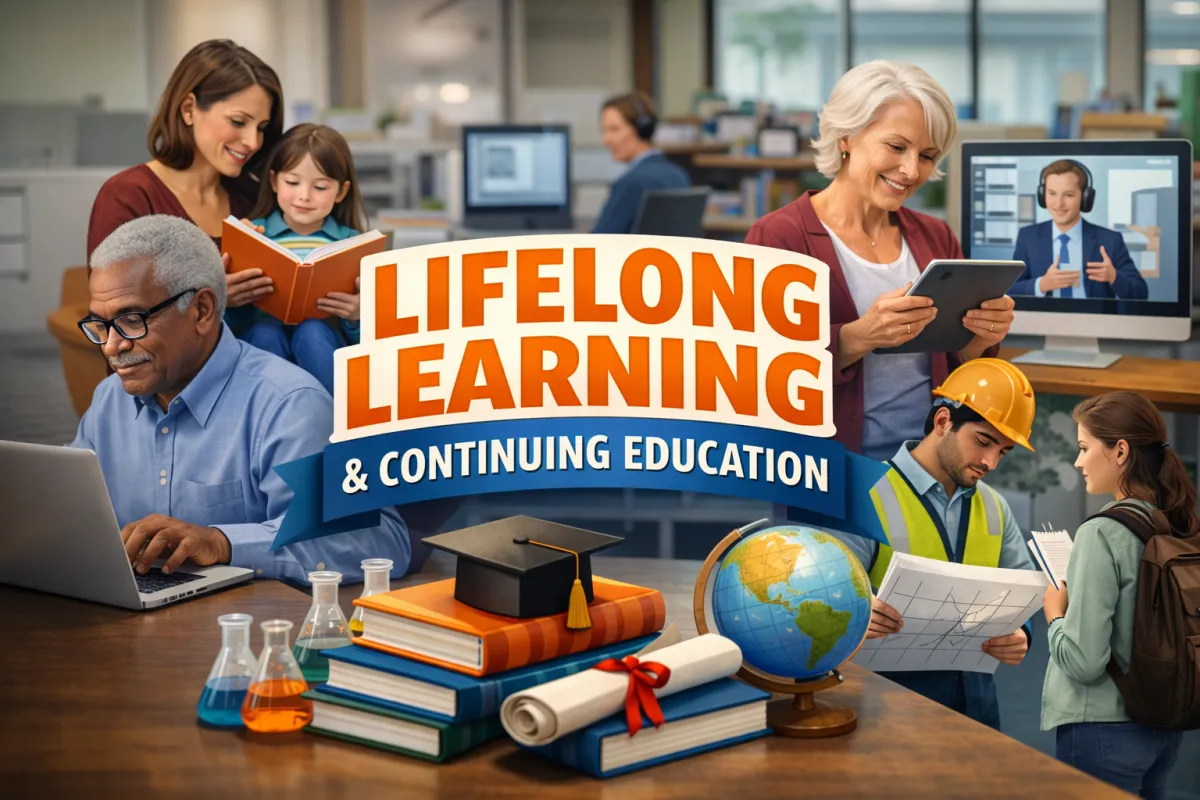
Theme 1 – Lifelong Learning and Continuing Education
Lifelong learning (LLL) has become essential in a rapidly changing world shaped by globalization and digital transformation. Learning is no longer limited to initial education; individuals must maintain and update their knowledge to remain employable and active citizens. Educational policies must integrate flexible mechanisms such as micro credentials, hybrid learning formats, and university industry partnerships to address the needs of individuals and organizations.
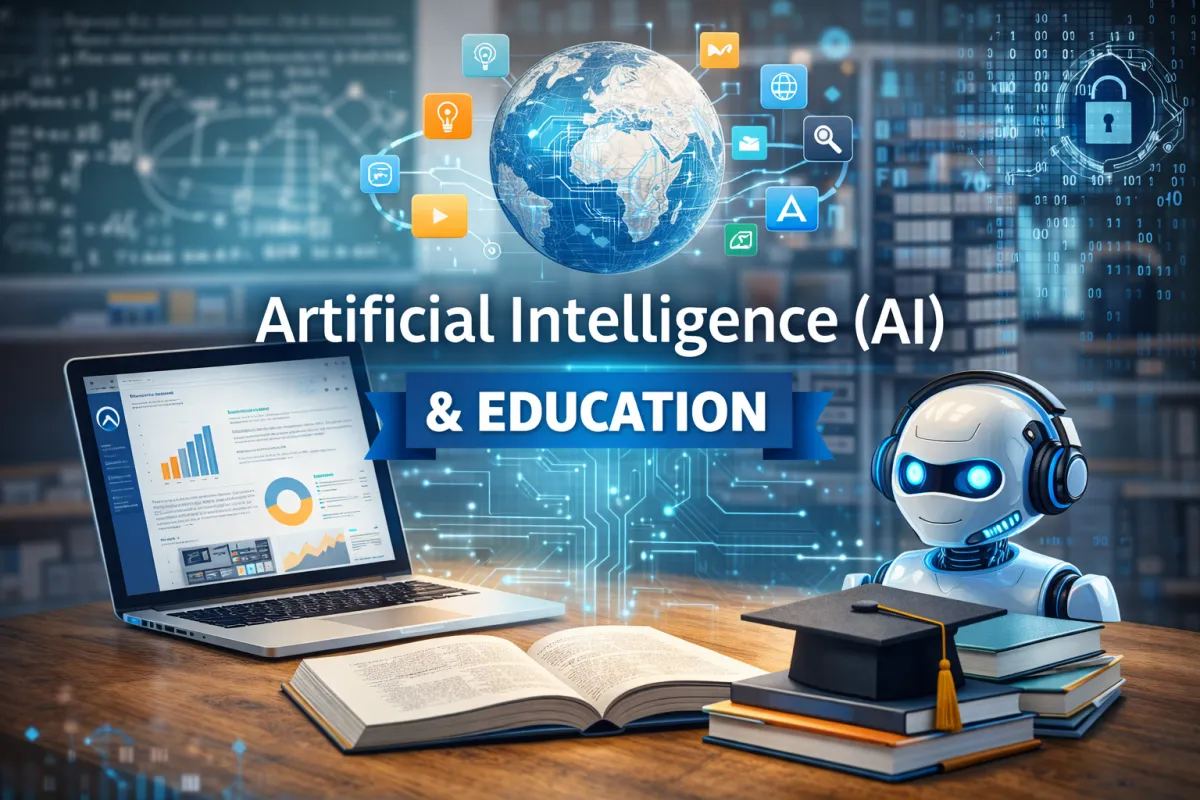
Theme 2 – Artificial Intelligence (AI) and Education
Artificial intelligence is profoundly transforming pedagogical practices by making learning more personalized and adaptive. Yet this evolution also raises significant ethical and social challenges, including concerns around data governance, algorithmic transparency, and the potential deepening of existing inequalities. The key question, therefore, is how to integrate these technologies in an inclusive and responsible way so that they serve as a catalyst for equity rather than a driver of exclusion.
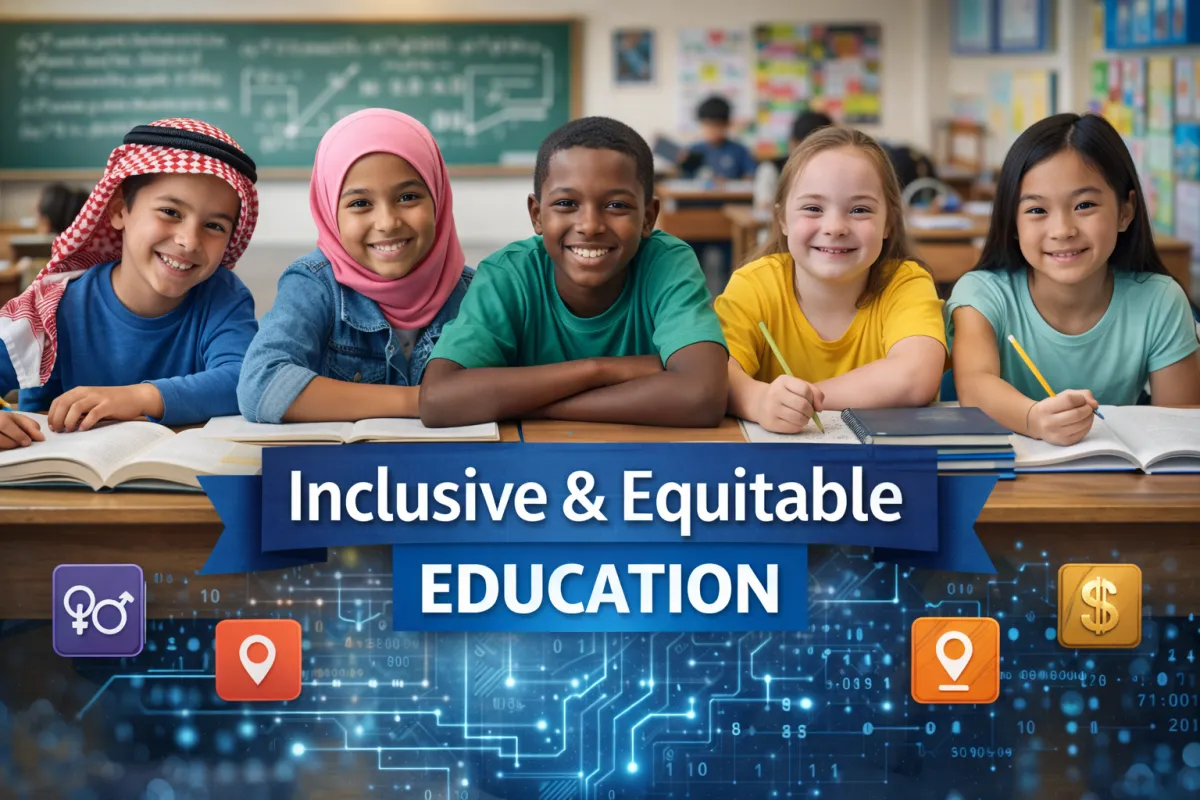
Theme 3 – Inclusive and Equitable Education
Inclusive education is fundamental to ensuring equal opportunities, particularly in contexts marked by gender, socioeconomic, and regional disparities. Recent reforms in Morocco, supported by international policy frameworks, reaffirm the imperative of building an education system that is genuinely accessible to all learners, regardless of their background or social circumstances.
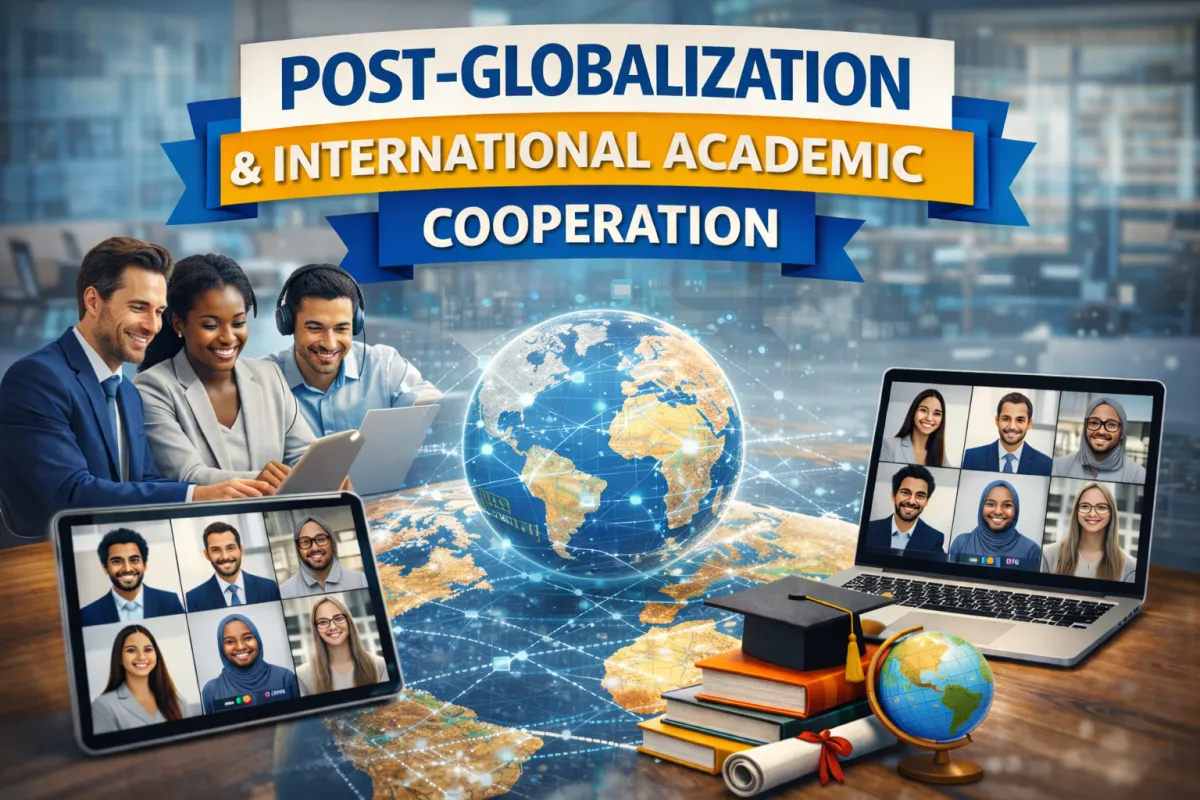
Theme 4 – Post Globalization and International Academic Cooperation
Globalization has opened significant strategic opportunities to deepen educational cooperation and broaden academic mobility. It has facilitated the transfer of knowledge, the sharing of resources, and the emergence of dynamic research networks spanning South–South, North–South, and North–North collaborations. In today’s post-globalization landscape, characterized by shifting geopolitical dynamics, the growth of interregional partnerships, and the rising importance of digital sovereignty, there is a pressing need to rethink and redesign existing models of academic cooperation
Include your voice - submit a proposal now!
See you in Casablanca!
Proposal Submission
We welcome proposals addressing the following areas:
Proposals may draw on a range of approaches, including:
• Empirical studies and case studies analyzing educational practices and their impacts
• Public policy analysis, including international comparisons
• Research on educational technologies, digital inclusion, and ethical issues related to AI
• Longitudinal, intersectional, or socioeconomic approaches to understanding learning, equity, and inclusion
• Exploratory analyses of the impacts and challenges associated with globalization, international cooperation, and innovative models of academic mobility
We strongly encourage proposals that examine these issues through the lens of practices, policies, or innovations, with the aim of contributing to a collective reflection on the co‑construction of inclusive, equitable, and context‑responsive educational approaches.
Proposal Types
A variety of presentation formats are offered to showcase emerging or ongoing research, collaborative inquiries, and practice‑based projects. Each proposal must clearly align with at least one of the four conference themes:
• Theme 1 – Lifelong learning and continuing education
• Theme 2 – Artificial intelligence (AI) and education
• Theme 3 – Inclusive and equitable education
• Theme 4 – Post globalization and international academic cooperation
Proposal Submission
• Proposals must be submitted by September 15th, 2026.
• Abstracts should be submitted through the link provided : mcce-uottawa.ca
• Notifications of acceptance will be sent by October 10th, 2026.
Poster Proposal
Posters allow presenters to visually report on a project related to one of the conference themes. Posters encourage informal discussion and networking during a 60 minute session.
Proposal must include:
• Conference theme addressed
• Title
• Abstract (maximum 300 words)
Paper Proposal
A paper session presents a well developed project with results to share. Each session lasts 30 minutes, including at least 5 minutes for audience participation.
Proposal must include:
• Conference theme addressed
• Title
• Abstract (maximum 300 words)
Roundtable Proposal
A roundtable consists of 3–5 presenters, each sharing a paper related to a shared topic, followed by cross topic discussion. The session lasts 90 minutes, including at least 15 minutes for audience engagement.
Proposal must include:
• Conference theme(s) addressed
• Title
• Session description (maximum 200 words)
• Abstract for each paper (maximum 300 words each)
• Session schedule (maximum 200 words), showing audience engagement
Workshop/Innovate Proposal
Workshops engage participants in hands on activities such as data analysis, idea generation, or sharing best practices. Workshops last 60 minutes and use small group seating.
Proposal must include:
• Conference theme(s) addressed
• Title
• Purpose and relevance (maximum 300 words)
• Session schedule (maximum 200 words), showing audience engagement
About Themes
Theme 1 – Lifelong Learning and Continuing Education
This theme will address topics such as:
• Issues related to micro credentials and recognition of prior learning within Francophone contexts and internationally
• Public policies supporting LLL in Morocco, Africa, Canada, the United States, and beyond
• The design of open, personalized, collaborative digital learning environments integrating emerging technologies, universal accessibility principles, flexibility, and modular learning pathways
• Innovation and inclusion to address the diverse needs of learners
Theme 2 – Artificial Intelligence (AI) and Education
This theme welcomes reflections and contributions on themes such as:
• Opportunities and limitations of AI in personalized learning
• Ethics and governance of educational data
• Initial and continuing teacher training in AI and algorithmic thinking
• The digital divide and strategies to reduce inequalities in access
Theme 3 – Inclusive and Equitable Education
This theme invites discussion on topics such as:
• Strategies to reduce gender inequalities in education
• Inclusion of students with disabilities in African and other global education systems
• Adoption of differentiated and universal pedagogies to promote equity
Theme 4 – Post Globalization and International Academic Cooperation
The goal is to strengthen global scientific diplomacy and support interregional integration by co-constructing a sustainable international educational ecosystem-one that balances innovation, equity, and responsibility, and is grounded in strategic partnerships and shared governance.
This theme will address themes such as:
• North South partnerships for teacher training
• North North cooperation for sharing expertise and developing innovative pedagogical models
• Challenges and perspectives of academic mobility within the Francophonie and globally
• South South educational cooperation strategies supporting African integration
• Mutual recognition of degrees and competencies
• Digital mechanisms that facilitate mobility and inter university collaboration
• Language policies and their role in Francophone and international cooperation
• Innovative models of joint degrees and co developed academic programs
Our Partners




Steering Committee

Marie-Josée Berger, PhD
Emeritus Professor,
Faculty of Education, University of Ottawa

Sami Boutaleb
Director of Operation, Jolibourg Santé

Emmanuel Duplàa, PhD
Director of professional development, Faculty of Education, University of Ottawa

Imad Elarbi,
Honorary Doctorate University of Ottawa, President, Moroccan Center for Civic Education

Mohammed Elmeski, PhD
Professor Researcher, Faculty of Educational Sciences, Mohammed V University, Rabat
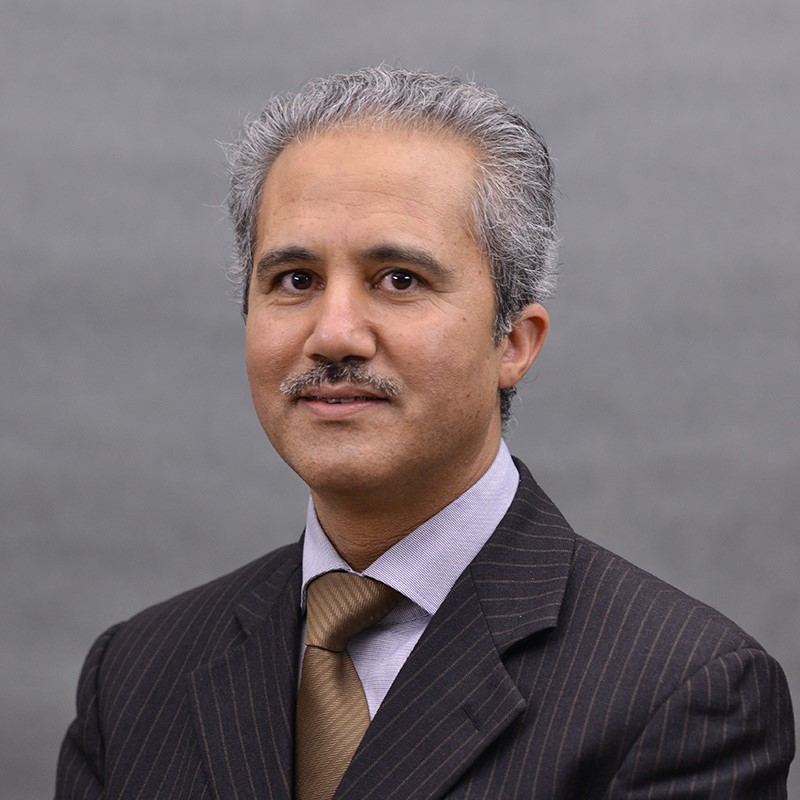
Aziz Kaichouh, PhD
President, African Foundation for Lifelong Learning

El Hadji Yaya Koné, PhD
Associate Professor and Vice-Dean, Graduate and Postdoctoral Studies, Faculty of Education, University of Ottawa
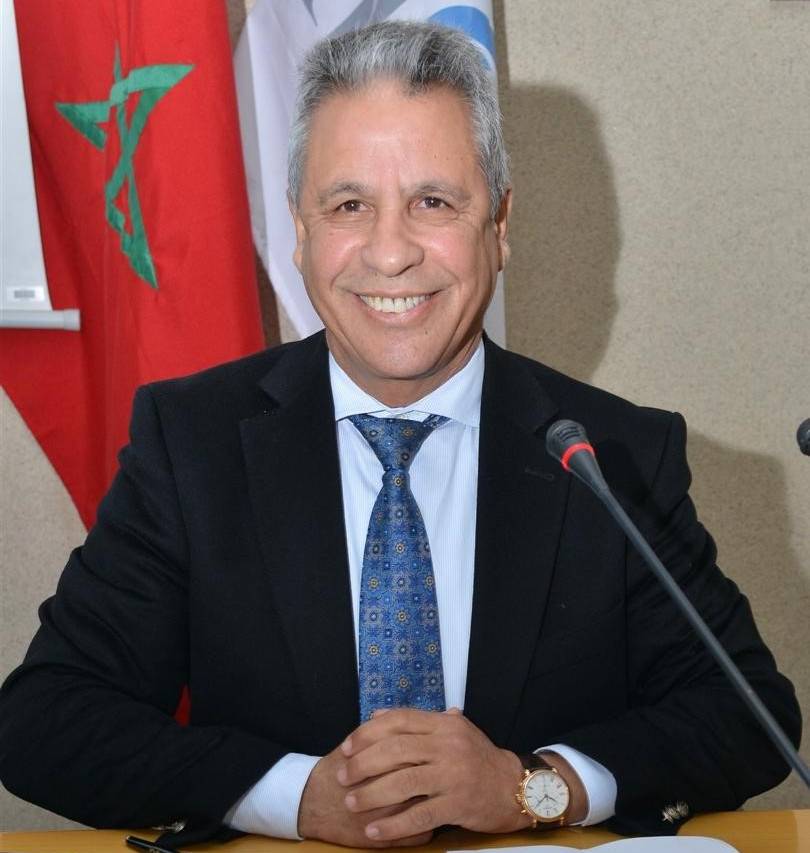
Mustapha Lkhider, PhD
Vice President, Hassan II University

Tanya Pinkerton, Ed.D
Clinical Associate Professor and Division Strategist for Global Education and Learning Initiatives, Arizona State University

Christine Suurtamm, Ed.D
Emeritus Professor
Faculty of Education, University of Ottawa

Serge Demers, PhD
University Registrar and Associate Vice President, Student Enrolment Services, Laurentian University
Get In Touch